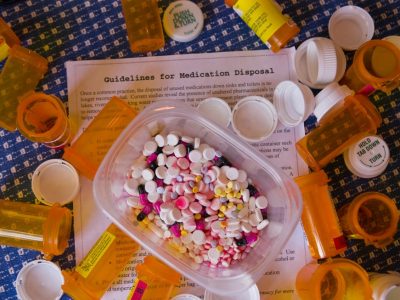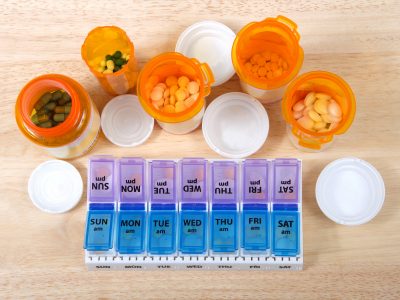
That’s one of the most common questions I hear. Sometimes people say it jokingly, as if they believe there’s no going back. Other times people say it out of frustration — they’re tired of getting prescriptions filled over and over, filling medication organizers, taking a handful of pills at a time, and looking at money fly out of their bank accounts. Whatever the reason for the question, it’s obvious that
Atrial fibrillation (AF, or afib) affects nearly 10% of adults over 65 and more than 15% of those over 70. It sometimes goes unnoticed, but noticed or not, it can be life-threatening. AF usually requires treatment with medications, so I’m often asked questions about it by my patients. In this post you’ll learn what AF is, how to spot symptoms, why it’s dangerous, and what you can do to keep
Many patients come to Better My Meds for help because they don’t want to take so many medications. It’s true that many common health problems like osteoporosis, diabetes, heart disease, mood disorders, and others are usually treated with medications. And medications can pile up as we get older. But there’s another effective treatment for all these health problems and more — regular physical activity! It may be hard to believe,
We’ve talked in previous posts about safe and secure disposal of medications. Why it’s important, and how and where it can be done. Several BetterMyMeds readers and event participants have pointed out that it can be tough to dispose of certain types of medications. Liquid medications, and injectables in glass vials are good examples. Controlled substances, like morphine and valium, can be a problem, too. And the rules around how