

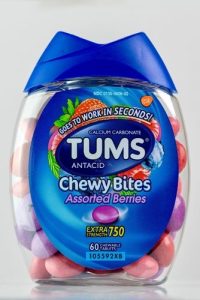
 acid. They quite effective at providing rapid relief of symptoms, are relatively inexpensive and quite safe. The most common side effects are constipation and diarrhea. The biggest drawback is that they can be inconvenient to take regularly if you have frequent symptoms. And watch for drug interactions -- antacids may decrease the absorption of other meds, requiring them to be taken a couple of hours apart.
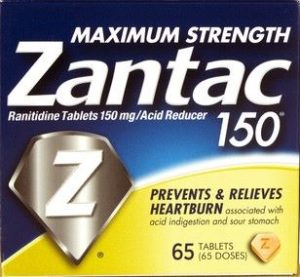 H2RA's - Famotidine (Pepcid and Zantac) and cimetidine (Tagamet) are histamine-2 receptor antagonists. They block the effect of histamine in the stomach to decrease acid production. Like antacids, these meds are good for relieving symptoms pretty quickly, but unlike antacids they can also be used to prevent acid reflux. Side effects are rare, but H2RAs do carry some important drug interactions, so check with a pharmacist or go to drugs.com if you take other meds.
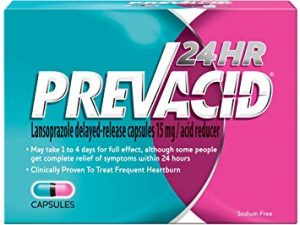 counter, too. These meds work by blocking the "pumping" of acid from certain cells in the stomach. They aren't that great at treating existing symptoms, but they're very effective at preventing them. So much so, that oftentimes they're used much longer than necessary. And with regular, long-term use, they can have important side effects like osteoporosis and nutritional deficiencies..
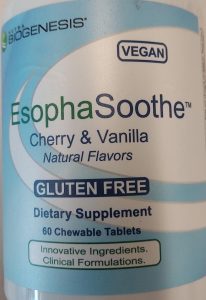 Second, it's also important to know that you may not find any alginate supplements with seals of approval from outside organizations. Because the FDA regulates supplements so loosely it's hard to be sure you're getting a product of reliable quality. Do your best to find a product you feel you can trust. The video mentioned in the introduction to this post reviews the product pictured here.
Betty, I loved your recent posting about GERD. I was wondering if you would be willing to answer a question for me that I have concerning my sister-in-law, Garnet. You may remember that you helped Garnet in the past by doing a medication review for her. Garnet, like myself, takes Nexium to help control her GERD. However, the difference is that I take 40 mg. of Nexium QD, whereas Garnet takes 80 mg of Nexium per day. Garnet take 40 mg of Nexium in the morning and 40 mg at dinner time. I always take my Nexium 30 minutes before eating my breaking or drinking coffee in the morning. However, I have noticed when dining out with Garnet that she usually doesn’t take her dinner time dose of Nexium until after she eats her dinner. I’ve tried to hint to her that I believe that it’s important for her to take her Nexium 30 minutes before her supper meal. I want to know if I’m correct in giving her this advice?
Great to hear from you, Karen!
Yes, You’re right. The PPIs are all much more effective when taken 1/2 hour or so before meals. Here’s the reason – as soon as we begin to eat, our stomach starts producing acid so that food can be digested. There’s no lag time to speak of. Once the acid is there, the PPI can’t do its job of preventing its production. Taking a PPI before the meal allows it to be absorbed and start doing its job of preventing acid production ahead of time. That way, eating won’t be able to make the stomach churn out a lot of acid.
If you concerns about dose, or other concerns, please feel free to contact me directly. I’d be happy to talk with you!