
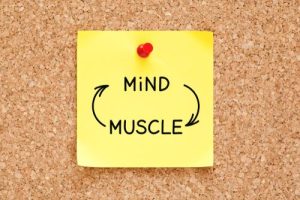
 Research has shown that older adults who stay physically active are at lower risk of developing dementia, but why? Well, it turns out that there's a connection between muscles and the brain. Muscles send chemical messages to the brain, and the brain sends chemical messages back to muscles. The two organs work together to keep the body strong, even as we age.
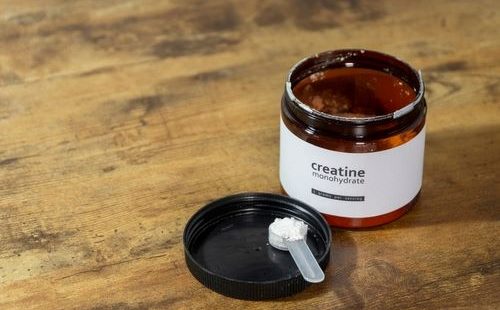
 Like research on most dietary supplements, many studies are small or poorly controlled. But researchers have taken close looks at many of them found areas where results are similar. One review of several studies concluded that creatine supplementation improves muscle strength in older adults when used in combination with resistance training. Those who used creatine supplements for several weeks found they could lift more weight than those who didn't. In another study, "sit to stand" time was shown to improve, meaning that lower body muscles became stronger and balance improved. Research does seem to show that it's the combination of creatine supplements and weight/resistance training that does the trick. Creatine supplements or weight/resistance training alone were much less effective.
 Creatine supplements have the potential to bring positive, noticeable changes to daily life. Stronger muscles may allow us to do more with less fatigue. Maybe carry two bags of groceries from the car instead of just one. Or regain balance more easily and avoid a fall. Even get out of the easy chair with less effort. Some research indicates that mood might improve (whether due to increased activity and engagement or just better brain function isn't clear).