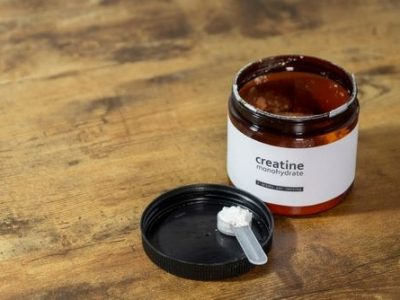
Have you seen articles or ads about the wonders of creatine supplementation for older adults? Wondering if you should try it? A reader asked me about creatine recently, so I looked into the research. What I learned was quite interesting. Creatine is a compound that our bodies need to build muscle. We get some of it from animal protein in our diet and some from our body’s manufacturing processes. Though

Nerve pain, especially in the legs, feet, and hands, is common among adults in the United States. Also called peripheral neuropathy, it affects up to 30% of adults, and nearly 10% of those over age 65. There are many causes of peripheral neuropathy, including: diabetes vitamin deficiencies trauma Infection immune diseases medications or chemicals Chronic nerve pain interferes with daily activities. Symptoms of burning or shooting pain, numbness and tingling
What’s REALLY in the supplement product you just purchased? At first thought, it might seem a given that a product actually contains the ingredients listed on the label, in the listed amounts. But it turns out that for dietary supplements, that’s not always the case. The production and sale of dietary supplements is a booming industry. Nearly 3/4 of US adults use at least one supplement on a daily basis.
Probiotics are among the most commonly used dietary supplements. They’re typically marketed to improve “digestive health”. But what are they? How do probiotics compare to prebiotics? And what are their health benefits? Let’s talk about “digestive health”, and how pro- and prebiotics fit into the picture. Digestion Digestion starts as soon as we put food in our mouth. From chewing and saliva production all the way into the stomach and