Have you ever heard of the term “adherence” when it comes to taking medications? Medication adherence means taking medications correctly, the way they were prescribed. Research shows that nearly half of us don’t take our medications as they were prescribed. Sometimes it’s on purpose, sometimes not. But either way, a medication can’t improve health if it’s not taken as prescribed. How does medication adherence affect you? Why is adherence to

Vaccinations are a routine part of preventative healthcare. Vaccinations decrease the chances that we’ll contract infectious diseases, or that we’ll suffer critical illness if we do. We’re all hoping for a safe and effective vaccine against COVID-19, and there are lots of researchers working hard on that. But it’s likely to be quite some time before there’s one available and in widespread distribution. In the meantime, we still have all
Bone health is important. Healthy, strong bones allow us to stay active, both physically and socially. We can go about our daily business with little fear of injury. But when bones weaken and become fragile (a health condition called osteoporosis), the risk of fractures increases. The most common fractures in those with osteoporosis tend to occur in the hips and spine. Hip fractures often require surgery and hospital stays; spine fractures
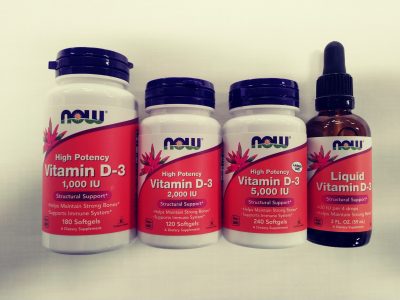
Vitamin D is one of the most commonly used dietary supplements. But what does it do? And who really needs to take supplements? Let’s talk about how vitamin D works, how much you need to stay healthy, and whether dietary sources can meet your daily needs. Functions of vitamin D The main function of vitamin D is to help the body absorb dietary calcium and to regulate the levels of