Bone health is important. Healthy, strong bones allow us to stay active, both physically and socially. We can go about our daily business with little fear of injury. But when bones weaken and become fragile (a health condition called osteoporosis), the risk of fractures increases. The most common fractures in those with osteoporosis tend to occur in the hips and spine. Hip fractures often require surgery and hospital stays; spine fractures
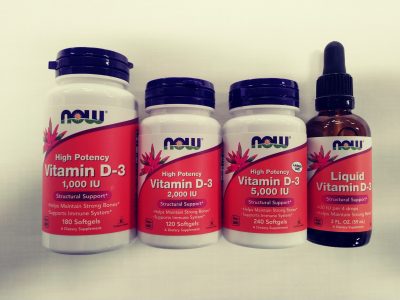
Vitamin D is one of the most commonly used dietary supplements. But what does it do? And who really needs to take supplements? Let’s talk about how vitamin D works, how much you need to stay healthy, and whether dietary sources can meet your daily needs. Functions of vitamin D The main function of vitamin D is to help the body absorb dietary calcium and to regulate the levels of
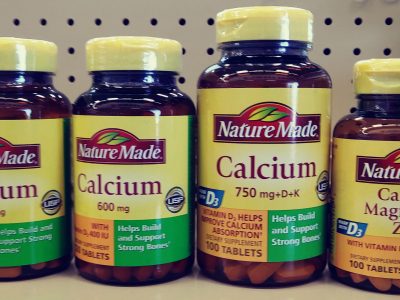
Calcium supplements are some of the most commonly used dietary supplements in the United States. But there are a lot of misunderstandings about calcium. In fact, some of the most common questions I’ve had from patients involve calcium supplements. Who should take them? What’s the right dose? And there are some common misunderstandings about how calcium works and how it should be taken. So let’s talk about calcium! What are
Vaccination against pneumonia is an important way to protect yourself from one of the most common life-threatening infections. Pneumonia affects people of every age, but is more serious for those at both ends of the age spectrum. It’s estimated that one million people will be hospitalized in the United States this year for pneumonia. Worse, it’s likely that 50,000 of the infections will end in death. Causes of pneumonia include